
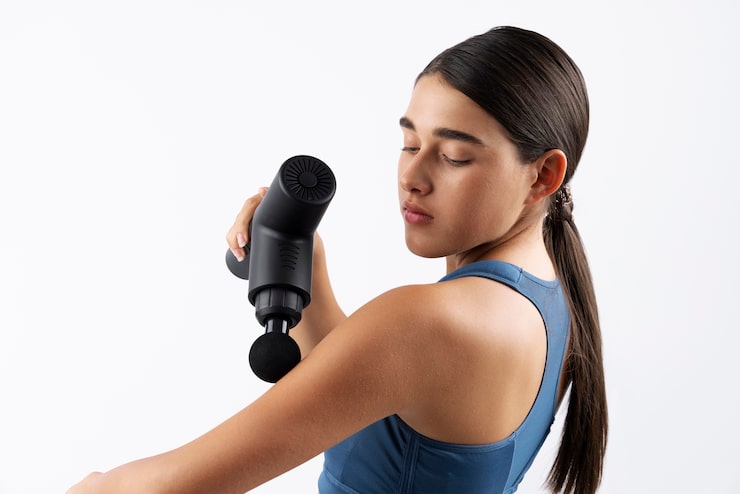
Recover Faster with Percussion Therapy Techniques
Proper muscle recovery is essential for maintaining strength, flexibility, and overall wellness. Athletes, fitness enthusiasts, and individuals recovering from injuries often rely on advanced techniques to reduce soreness, improve circulation, and accelerate healing. One effective method widely recommended by professionals is compression therapy, which applies controlled pressure to specific areas to enhance blood flow and support faster recovery.
How Compression Therapy Supports Muscle Health
Compression therapy involves using garments, sleeves, or boots to apply gentle pressure on targeted muscles. This pressure enhances circulation, helping deliver oxygen and nutrients to the tissue while removing waste products. Over time, it helps reduce inflammation, alleviate soreness, and improve overall recovery after physical activity. Consistent use of compression therapy can also minimize fatigue and support better performance during subsequent workouts.
The Role of Percussion Therapy
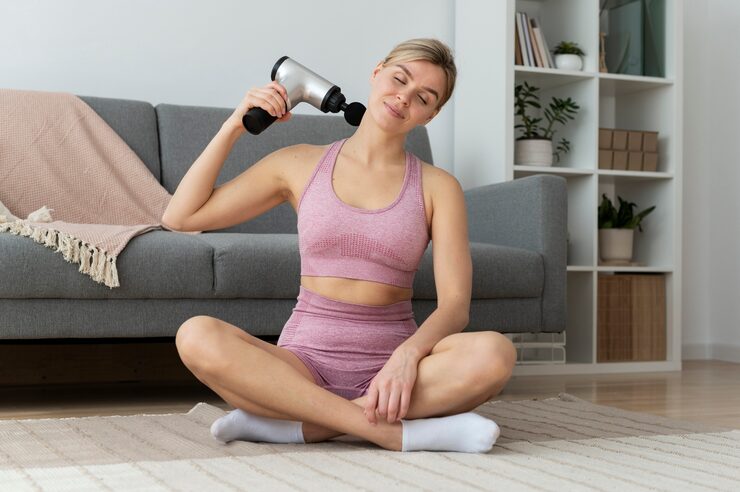
Percussion therapy uses handheld devices that deliver rapid pulses to muscles. These pulses penetrate deep tissue, loosening tight muscles, breaking up adhesions, and improving blood flow. Unlike passive recovery methods, percussion therapy actively engages muscles and connective tissue, providing immediate relief and long-term recovery benefits.
Some of the advantages of percussion therapy include easing muscle soreness, increasing mobility, relaxing tight areas, and speeding up post-exercise recovery. It is particularly effective for athletes, people experiencing chronic muscle tension, or anyone looking to optimize their recovery routine.
Combining Compression and Percussion Therapy
When used together, compression and percussion therapy can enhance recovery significantly. Compression therapy first improves circulation and prepares muscles for deeper treatment. Percussion therapy then targets specific sore or tight areas, helping to release tension, improve flexibility, and support overall healing.
A simple recovery routine might involve using compression sleeves or boots immediately after exercise, followed by Percussion therapy on key muscle groups such as quads, calves, or shoulders. This combined approach reduces soreness and accelerates recovery, allowing better performance for future workouts.
Choosing the Right Device
Selecting a suitable percussion therapy device is important for safe and effective results. Look for adjustable speed and amplitude settings to treat both sensitive and deep muscle tissue. Interchangeable heads allow targeting of different muscle groups. Portability is an added benefit, making it easy to use at home, in the gym, or while traveling. Consulting a physical therapist before starting therapy is recommended, particularly for those recovering from injuries or dealing with chronic muscle conditions.
Tips for Effective Recovery
To maximize the benefits of compression and percussion therapy, apply treatments soon after workouts. Focus on sore or tight areas, maintain hydration, and use therapies consistently. Regular use of these methods can reduce fatigue, improve flexibility, and support overall muscle health.
Who Can Benefit
These therapies are suitable for a wide range of individuals. Athletes and fitness enthusiasts benefit from faster post-workout recovery and reduced soreness. Individuals recovering from injuries or experiencing chronic muscle tightness gain improved circulation and relief from tension. Compression and percussion therapy are non-invasive, drug-free, and complement other physical therapy or exercise routines, making them effective and versatile tools for long-term muscle care.
Summary
Integrating compression therapy and percussion therapy into your recovery plan provides a safe and effective method to improve circulation, reduce soreness, and accelerate muscle healing. Using both therapies strategically allows for faster recovery, enhanced flexibility, and better overall performance, making them essential components of any recovery routine.
FAQ
- Can percussion therapy be used daily?
Yes, daily use is generally safe, but intensity should be adjusted according to muscle sensitivity and tolerance. - Is professional guidance necessary?
Consulting a physical therapist is recommended, especially for injuries, chronic conditions, or if you are unsure how to use the devices safely. - How long should each session last?
A session typically lasts 10–15 minutes per muscle group, though this can vary based on individual needs and device settings.


-
Why IOP Programs in CT Are Transforming Mental Health Care
Mental health challenges affect thousands of people every year, yet many individuals ...