

How ABA Therapy for Autism Supports Meaningful Progress
When a child is diagnosed with autism, parents often look for solutions that can truly help their child grow and succeed. Among the many available options, ABA therapy for autism stands out as one of the most effective and research-based approaches. It focuses on building essential life skills while reducing behaviors that may limit learning and development.
This therapy is designed to meet each child where they are, using structured techniques and positive reinforcement to encourage steady progress. Over time, children develop the confidence and abilities needed to navigate everyday life more independently.
The Science Behind ABA Therapy
ABA therapy is grounded in the principles of behavior and learning. It examines how actions are influenced by the environment and how positive behaviors can be encouraged through consistent reinforcement.
Therapists begin by observing the child’s behavior and identifying patterns. These insights help them create strategies that promote helpful behaviors while reducing those that may interfere with growth. For example, a child who struggles with attention may be guided through short, focused activities that gradually increase in complexity.
This scientific and structured approach ensures that progress is not only visible but also measurable. Each step forward is carefully tracked and used to refine the therapy plan.
Why Early Support Makes a Difference
Early intervention is one of the most important factors in a child’s development. During the early years, the brain is more adaptable, making it easier to learn new skills and behaviors.
ABA therapy introduced at a young age helps children improve communication, develop social skills, and build independence. It also reduces behaviors that may interfere with learning, allowing children to focus and engage more effectively.
Riley ABA & Autism Center emphasizes early support because it provides children with a strong foundation for future growth. The earlier the therapy begins, the greater the potential for long-term success.
Strengthening Communication Skills
Communication is a central focus of ABA therapy. Many children with autism face challenges in expressing their needs or understanding others, which can lead to frustration.
Therapists work on communication step by step, starting with the child’s current abilities. Some children may begin with simple gestures or visual tools, while others may focus on verbal language. Each success is reinforced to encourage continued progress.
As communication improves, children are better able to express themselves and connect with others. This not only enhances their relationships but also boosts their confidence.
Encouraging Positive Behavior
ABA therapy uses positive reinforcement to encourage desirable behaviors. When a child completes a task or demonstrates a new skill, they are rewarded in a way that motivates them to repeat the behavior.
This approach helps children understand the connection between their actions and outcomes. Over time, they learn to replace challenging behaviors with more appropriate responses.
By focusing on encouragement rather than punishment, ABA therapy creates a supportive environment where children feel motivated to learn and grow.
Customized Learning for Every Child
Every child with autism has unique strengths and challenges, which is why ABA therapy is highly personalized. Therapy plans are designed to match the child’s individual needs and goals.
At Riley ABA & Autism Center, therapists conduct detailed assessments to understand each child’s abilities. Based on this information, they create a customized program that targets areas such as communication, social skills, and daily living tasks.
The plan is continuously updated as the child progresses, ensuring that therapy remains effective and aligned with their development.
Families often look into services like Autism behavioral therapy Kansas City to maintain consistency and access specialized care across different environments. This continuity helps reinforce learning and supports steady improvement.
Building Social and Life Skills
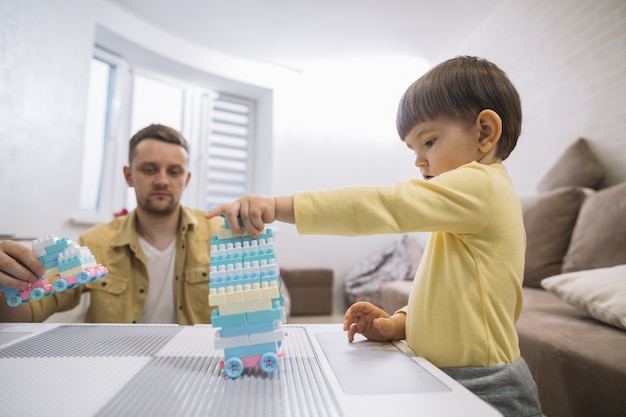
ABA therapy goes beyond communication and behavior by focusing on social and daily living skills. Children learn how to interact with others, follow instructions, and participate in group activities.
These skills are taught through structured and engaging activities that make learning practical and relatable. Children practice real-life scenarios, helping them apply their skills in everyday situations.
Daily living skills, such as organizing tasks and following routines, are also introduced gradually. These abilities are essential for building independence and confidence.
The Role of Family in the Therapy Process
Family involvement is a key part of successful ABA therapy. When parents and caregivers are actively engaged, children receive consistent support both at home and during therapy sessions.
Therapists provide guidance on how to apply ABA techniques in daily life. This may include reinforcing positive behaviors, maintaining routines, and encouraging communication.
This partnership between therapists and families creates a strong support system that enhances the child’s progress and overall development.
Creating a Positive and Structured Environment
A supportive environment plays a crucial role in the success of ABA therapy. Children need a space where they feel safe, encouraged, and motivated to learn.
Riley ABA & Autism Center provides a structured setting that promotes focus and engagement. Therapy sessions are designed to be interactive and enjoyable, helping children stay interested and motivated.
This balance of structure and compassion allows children to learn at their own pace while building confidence in their abilities.
Conclusion
ABA therapy has become a trusted approach for supporting children with autism. Its structured, evidence-based methods and personalized plans make it highly effective in improving communication, behavior, and independence.
With early intervention, consistent effort, and family involvement, children can achieve meaningful progress that positively impacts their lives. Riley ABA & Autism Center demonstrates how dedicated care and professional expertise can create lasting change.
Choosing ABA therapy is an investment in a child’s future, offering them the tools they need to grow, learn, and succeed.
FAQ
What skills can children learn through ABA therapy
Children can develop communication, social interaction, and daily living skills that help them become more independent.
Is ABA therapy only for young children
While early intervention is most effective, ABA therapy can benefit individuals of different ages based on their needs.
How do parents support ABA therapy at home
Parents can reinforce positive behaviors, follow consistent routines, and apply techniques recommended by therapists to support their child’s development.


-
Finding Relief and Recovery at Leading PTSD Treatment Centers
Living with post-traumatic stress disorder (PTSD) can be overwhelming, affecting sleep, mood, ...