
Anti-Inflammatory Research With BPC 157 TB 500 Blend Compounds
Inflammation is a fundamental biological response that, while protective in appropriate contexts, can become destructive and chronic in disease settings. Understanding the molecular mechanisms that regulate inflammatory responses, and how these interact with tissue repair processes, is one of the most active areas of biomedical research.
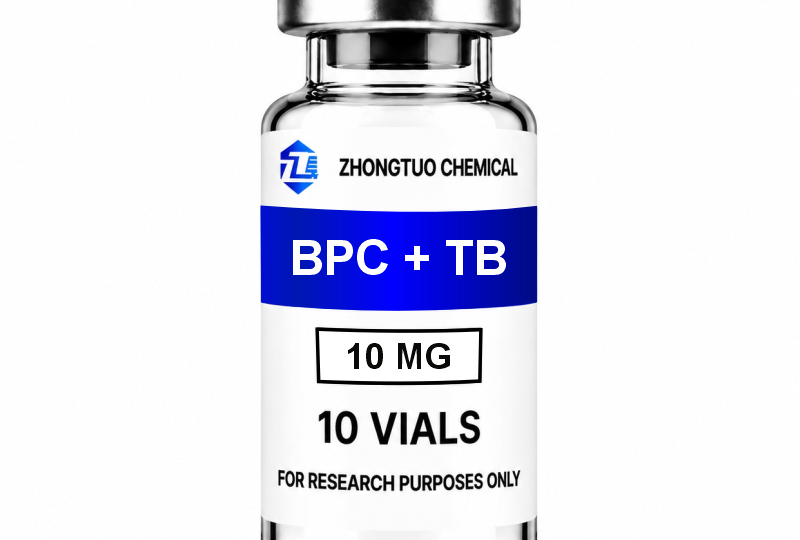
Peptide tools that influence the interface between inflammation and repair provide researchers with focused ways to investigate these interactions. The bpc 157 tb 500 blend from Zlzpeptides is relevant in this context because BPC-related compounds have been studied in relation to anti-inflammatory pathway modulation, while TB-related compounds influence repair processes that are tightly coupled to inflammatory resolution.
Inflammation and Tissue Repair: An Interconnected Research Problem
Effective tissue repair depends on the appropriate progression through inflammatory and repair phases. Initial inflammatory responses help eliminate pathogens and debris but must be resolved before repair can proceed effectively. Persistent inflammation impairs repair, while premature resolution of inflammation before damage control is complete also disrupts healing.
Research into this interface uses compounds that modulate specific aspects of these coordinated responses. BPC-157 peptide research has investigated how BPC compounds interact with inflammatory signaling in repair-relevant contexts, making them valuable tools for studying the inflammation-repair interface.
Cytokine Signaling in Anti-Inflammatory Research
Cytokines are the primary molecular mediators of inflammatory signaling, and modulation of cytokine signaling is a key mechanism by which compounds influence inflammatory responses. Research using BPC compounds in inflammatory cell culture models often measures cytokine production as a key endpoint.
Relevant cytokine endpoints for anti-inflammatory research with BPC-157 include:
- TNF-alpha production as a primary pro-inflammatory mediator
- IL-6 and IL-1 beta as amplifiers of inflammatory responses
- IL-10 as an anti-inflammatory regulatory cytokine
- TGF-beta at the intersection of anti-inflammatory and repair promoting signaling
- VEGF as a marker of angiogenic signaling at the repair-inflammation interface
TB-500 Peptide in Inflammatory Resolution Research
TB-500 peptide contributes to anti-inflammatory research in a different but complementary way. Thymosin beta4 has been investigated in the context of immune cell function and has been associated with modulation of inflammatory responses in certain cell types. Research into these activities helps illuminate how TB pathway activation interacts with inflammatory signaling during the repair process.
Including TB compounds in inflammatory resolution research alongside BPC peptides provides a more comprehensive view of how regenerative pathway activities intersect with the regulation of inflammatory responses during tissue repair.
Oxidative Stress as a Research Context
Oxidative stress is another important dimension of the inflammation-repair interface. During inflammatory responses, reactive oxygen species generated by immune cells can damage surrounding tissue, creating an environment that challenges repair mechanisms. Research investigating how BPC and TB compounds perform in oxidative stress conditions adds important context to understanding their repair-relevant activities.
Cell culture models of oxidative stress, using compounds like hydrogen peroxide or tert-butyl hydroperoxide to induce controlled oxidative challenge, provide practical platforms for this research.
Experimental Design for Anti-Inflammatory Pathway Studies
When designing experiments to investigate anti-inflammatory pathway activities of BPC and TB compounds, researchers should consider:
- The appropriate inflammatory stimulus to model the intended research context
- The timing of compound treatment relative to inflammatory challenge
- Relevant positive and negative control conditions
- Multiple complementary endpoints to characterize pathway effects comprehensively
- Appropriate statistical approaches for multi-endpoint studies
Well-designed studies in this area can generate rich, mechanistically informative data about how BPC and TB compounds interact with inflammatory and repair signaling pathways.
Zlzpeptides and Research Chemical Standards
As with all Zlzpeptides products, the BB10 formulation is a research chemical intended exclusively for in vitro testing and laboratory experimentation. All information is provided for educational purposes, and the product should be handled only by licensed, qualified professionals.
This designation reflects the appropriate context for research with these compounds, ensuring they are used in settings where their scientific value can be properly realized and their handling meets appropriate safety and quality standards.
Conclusion
Anti-inflammatory research with BPC 157 TB 500 blend compounds provides a window into the complex intersection of inflammatory and repair signaling pathways. BPC-157 peptide and TB-500 peptide together offer complementary tools for investigating how these pathways interact, and the combined BB10 formulation from Zlzpeptides makes this research practical and accessible. For researchers committed to understanding the molecular mechanisms of tissue repair in inflammatory contexts, these compounds represent an outstanding research resource.


-
Innovative Pain Management Solutions in Michigan
Living with ongoing discomfort can limit mobility and reduce overall quality of ...